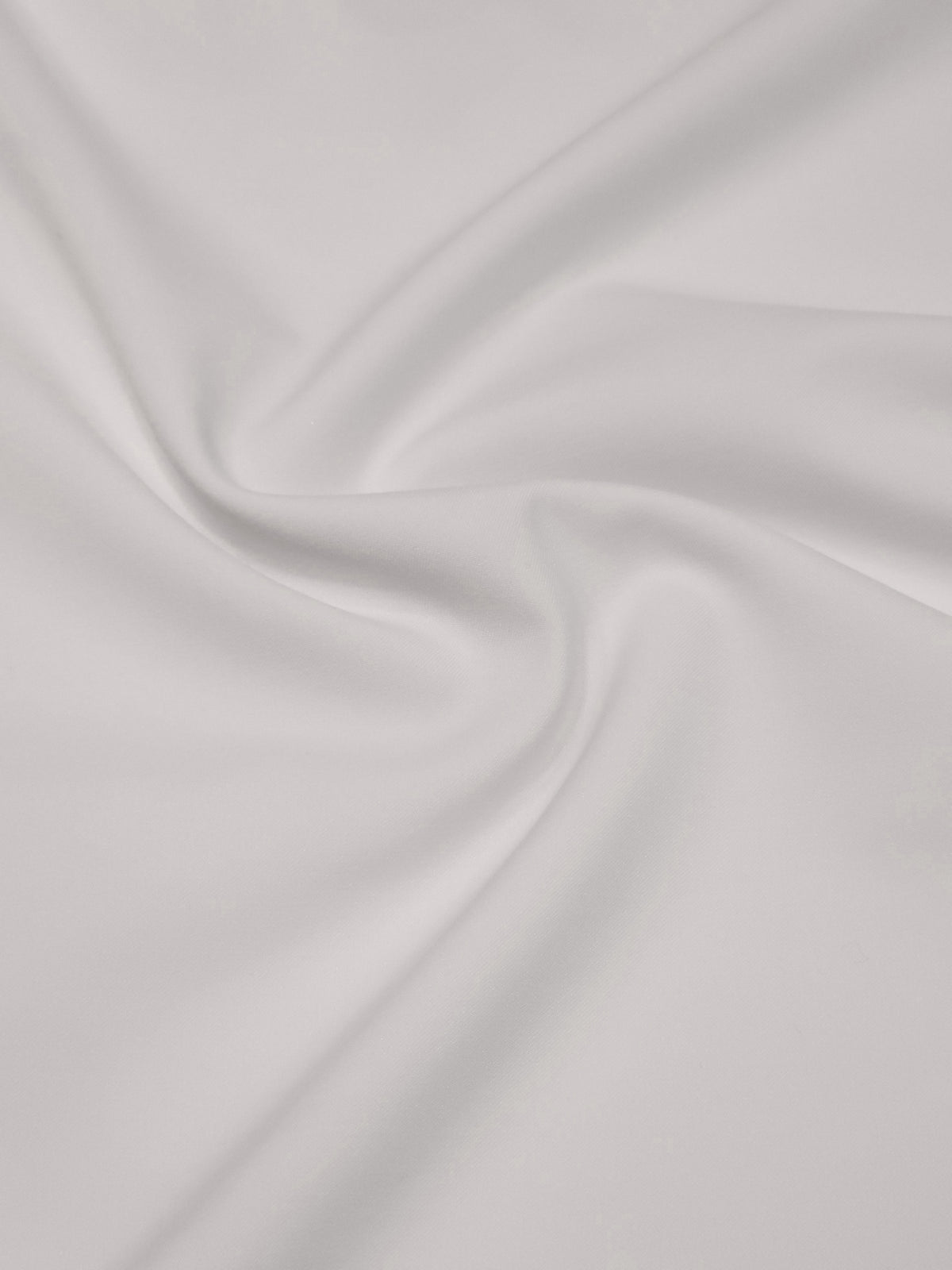
Renkli çizgi desenli ince dalgıç kumaş, esnek ve form tutucu yapısıyla

Thin Scuba Fabric with Colorful Striped Pattern

600.00TL
Skip to product information
Renkli çizgi desenli ince dalgıç kumaş, esnek ve form tutucu yapısıyla

Thin Scuba Fabric with Colorful Striped Pattern

600.00TL
ColorBlue, Green, Yellow, Red
Share:

Ingredients:

94% Polyester 6% Lycra

En:

160 cm

Weight:

250 g/m2

High-Level Dumpability

For purchases over 20 meters, please request a quote.

↨
Pattern Direction:
Vertically
Pattern Repeat Size:
2cm
⟷
Horizontal Stretch:
✔
↨
Vertical Stretch:
✔
ProvAI
Dress
Dress
Sportswear
Sportswear
Costume
Costume
Skirt
Skirt
Swimwear
Swimwear

Outfit Suggestions

Frequently Asked Questions

Scuba fabric, what is it?

Scuba fabric is a technical fabric type produced with a double-layered knitted structure and a high elastane (lycra) content, making it dense, shaping, and form-holding. It gets its name from its use in wetsuits due to its body-hugging and supportive properties.

Scuba fabric has a higher grammage compared to swimwear fabric. However, this does not necessarily mean the fabric is thick; scuba fabrics are produced in different thicknesses, including thin and thick options. Their common characteristic is that they all exhibit a structured and voluminous drape, not a flowing one.

Key Features of Scuba Fabric

- Higher grammage than swimwear fabric, giving a denser feel.

- High elasticity; hugs the body tightly yet with controlled compression.

- Shaping and supportive structure; accentuates the form.

- Low drape; not fluid.

- Smooth and even surface; creates clear silhouettes.

- Durable; resistant to sagging and deformation.

Types of Scuba Fabric (by Thickness)

Thin Scuba Fabric

- Denser than swimwear fabric; lighter than classic scuba.

- Fits the body without creating excessive volume.

- Preferred for bodywear, dresses, stage costumes, and jumpsuits.

- Offers a more elegant and controlled silhouette.


Thick Scuba Fabric

- Has a denser and fuller base.

- Provides maximum shaping and structure.

- Suitable for designs requiring the form of skirts, dresses, or jackets.

- Clearly shapes body contours.


When Should Scuba Fabric Be Preferred Over Swimwear Fabric?

Scuba fabric and swimwear fabric are often confused; however, their uses differ.
In the following situations, scuba fabric is a more appropriate choice than swimwear fabric:

- If a denser and form-holding look is desired.

- If the costume or garment needs to shape the body lines.

- If sagging, rippling, or excessive stretching is not desired.

- If architectural and sharp-lined designs are aimed for.

- If a more secure and stable structure is sought for stage or daily use.

- While swimwear fabric mostly offers a second-skin feel, high shine, and maximum flexibility,
scuba fabric provides control, support, and structure.

Scuba fabric is used in what applications?

Dresses & Skirts: For full and defined silhouettes
Bodysuits & Jumpsuits: Provides a supportive and secure structure
Stage & Costume: Costumes that adapt to dance and movement, maintaining their shape
Eveningwear: Strong linings

Scuba fabric is preferred for what reasons?

It has a higher grammage than swimwear fabric, giving it a firmer feel.

Thin and thick alternatives adapt to different design needs.

Its supportive and sculpting structure accentuates the body's form.

Its low drape creates a sharp and professional silhouette.

Offers secure use for stage and everyday wear.

Does it shrink?

It does not shrink, but it should be washed at a low temperature as its structure may be damaged if washed at a high temperature.

Does it wrinkle? Is it easy to iron?

Scuba fabric doesn't wrinkle; no ironing needed.

What are the care instructions?

Do not tumble dry

Do Not Use Bleach

No Iron

Is a primer required?

  • Diver/scuba fabric is completely opaque due to its thick and dense structure; it is not sheer and does not require a lining.

About Color Tones..

We have tried to reflect the colors in the images as accurately as possible; however, differences in screens, brightness settings, and display configurations may cause everyone to perceive colors differently.

If you have any sensitivity or concerns regarding the tone that suits your product, we recommend requesting a sample so you can experience the fabric firsthand.

Quantity Selection

You can access our informative article on how many meters of fabric you need for your sewing project by clicking the link below. If you cannot find the answer you are looking for, you can write to us using the options in our contact information.

How many meters of fabric should I buy?
Payment

We currently accept payment by bank transfer and credit card. You can place your order by paying securely with İyzico on the order page, or by selecting the bank transfer option and sending the IBAN.

Delivery

Your order will be delivered to you within a maximum of 4 business days via our contracted shipping companies MNG Kargo (DHL Ecommerce).

Return Policy

Fabrics ordered in lengths under 20 meters cannot be returned as they are cut specifically for you and their resale value is compromised. Returns are accepted in the event of a product defect.

Other items our users liked

Last Week's Bestsellers

View All

New Arrivals

View All