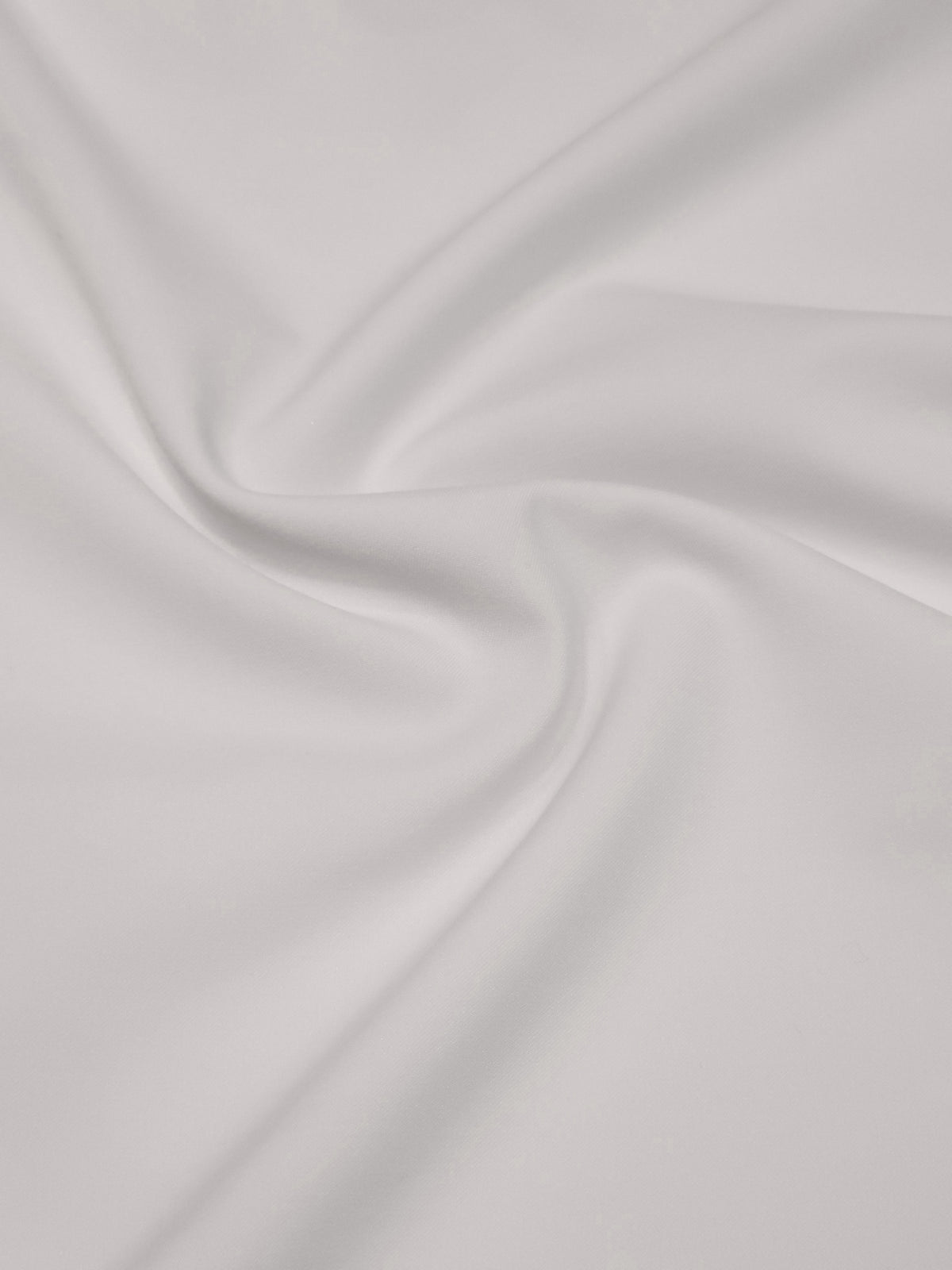
Şekerleme desenli ince dalgıç kumaş, esnek ve form tutucu yapıda

Candy Patterned Thin Scuba Fabric

600.00TL
Skip to product information
Şekerleme desenli ince dalgıç kumaş, esnek ve form tutucu yapıda

Candy Patterned Thin Scuba Fabric

600.00TL
ColorPink
Share:

Ingredients:

%94 Polyester %6 Lycra

En:

160 cm

Weight:

250 g/m2

High-Level Dumpability

For purchases over 20 meters, please request a quote.

⟷
Horizontal Stretch:
✔
↨
Vertical Stretch:
✔
ProvAI
Dress
Dress
Sportswear
Sportswear
Costume
Costume
Skirt
Skirt
Swimwear
Swimwear

Outfit Suggestions

Frequently Asked Questions

Scuba fabric, what is it?

Scuba fabric is a type of technical fabric produced with a double-layered knitted structure and a high elastane (Lycra) content; it is dense, figure-shaping, and form-retaining. It gets its name from its use in diving suits, where it hugs and supports the body.

Scuba fabric has a higher GSM (grams per square meter) than swimwear fabric. However, this does not necessarily mean the fabric is thick; scuba fabrics are produced in different thicknesses, including thin and thick options. Their common characteristic is that they all exhibit a structured and voluminous drape, rather than being flowing.

Key Features of Scuba Fabric

- Higher GSM than swimwear fabric, giving a denser feel.

- High elasticity; hugs the body tightly but in a controlled manner.

- Figure-shaping and supportive, accentuating the form.

- Low drape; not fluid.

- Smooth and even surface, creating sharp silhouettes.

- Durable; resistant to sagging and deformation.

Types of Scuba Fabric (by Thickness)

Thin Scuba Fabric

- Denser than swimwear fabric, but lighter than classic scuba.

- Fits the body without creating excessive volume.

- Preferred for body suits, dresses, stage costumes, and jumpsuits.

- Offers a more elegant and controlled silhouette.


Thick Scuba Fabric

- Has a denser and fuller base.

- Provides maximum figure-shaping and structure.

- Suitable for designs requiring a skirt, dress, or jacket form.

- Clearly sculpts body lines.


When Should Scuba Fabric Be Preferred Over Swimwear Fabric?

Scuba fabric and swimwear fabric are often confused, but their intended uses differ.
In the following situations, scuba fabric is a more appropriate choice than swimwear fabric:

- If a denser and form-retaining appearance is desired.

- If the costume or garment needs to shape the body lines.

- If sagging, ripples, or excessive stretching are not desired.

- If architectural and sharp-lined designs are aimed for.

- If a more secure and stable structure is sought for stage or daily use.

- While swimwear fabric offers more of a second-skin feel, high shine, and maximum flexibility, scuba fabric provides control, support, and structure.

Scuba fabric is used in what applications?

Dresses & Skirts: For sharp and defined silhouettes
Bodysuits & Jumpsuits: Provides a supportive and secure structure
Stage & Costume: Form-fitting costumes that adapt to dance and movement
Evening Wear: Strong linings

Scuba fabric is preferred for what reasons?

It has a higher grammage than swimwear fabric, giving it a more substantial feel.

Thin and thick alternatives accommodate different design needs.

Its shaping and supportive structure accentuates the body's form.

Its low drape creates a sharp and professional silhouette.

It offers secure use for both stage and everyday wear.

Does it shrink?

It does not shrink, but it should be washed at a low temperature as its structure may be damaged if washed at a high temperature.

Does it wrinkle? Is it easy to iron?

Scuba fabric doesn't wrinkle; no ironing needed.

What are the care instructions?

Do not tumble dry

Do Not Use Bleach

No Iron

Is a primer required?

  • Diver/scuba fabric is completely opaque due to its thick and dense structure; it is not sheer and does not require lining.

About Color Tones..

We have tried to reflect the colors in the images as accurately as possible; however, differences in screens, brightness settings, and display configurations may cause everyone to perceive colors differently.

If you have any sensitivity or concerns regarding the tone that suits your product, we recommend requesting a sample so you can experience the fabric firsthand.

Quantity Selection

You can access our informative article on how many meters of fabric you need for your sewing project by clicking the link below. If you cannot find the answer you are looking for, you can write to us using the options in our contact information.

How many meters of fabric should I buy?
Payment

We currently accept payment by bank transfer and credit card. You can place your order by paying securely with İyzico on the order page, or by selecting the bank transfer option and sending the IBAN.

Delivery

Your order will be delivered to you within a maximum of 4 business days via our contracted shipping companies MNG Kargo (DHL Ecommerce).

Return Policy

Fabrics ordered in lengths under 20 meters cannot be returned as they are cut specifically for you and their resale value is compromised. Returns are accepted in the event of a product defect.

Other items our users liked

Last Week's Bestsellers

View All

New Arrivals

View All